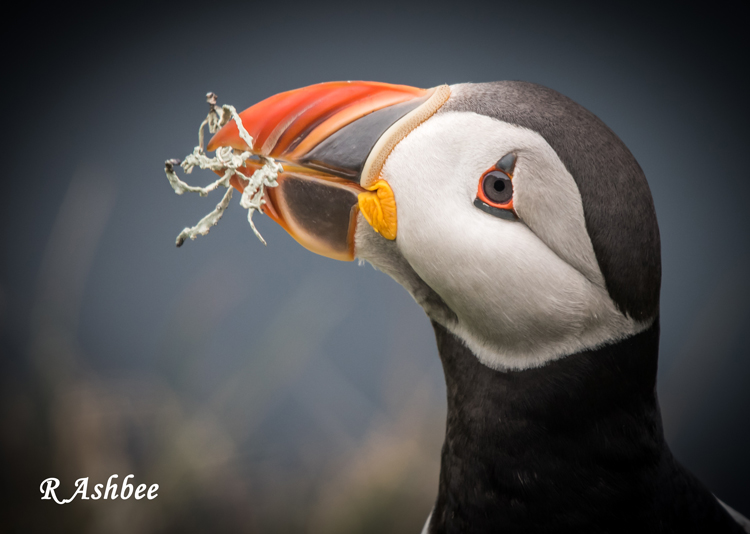
No need for words, just enjoy
Showing posts with label Seabirds. Show all posts
Tuesday, 27 July 2021
Monday, 20 August 2018
Killer Whales & the last Puffins
We that's it for this year as we said farewell to the Puffins at Sumburgh. Last weekend there were 100's of Puffins on the cliffs and flying around but by Tuesday it was down to just one bird.
Its along winter for these birds as they head out into the North sea where they spend the winter in extreme conditions. The colourful beak become black and will only grow back as the new breeding season approaches.
As for the young ones, it a test of endurance to see whether they are fit enough to survive the heavy seas. It looks like this year has been a good one for most of the seabirds with many birds bringing in fish. Arctic terns are still bringing fish for their young around the coast and many are still very aggressive.
It will be very interesting to see how Seabirds are doing in Shetland as a whole with the Seabird census now complete. Seabird deaths are down by half on last year (as per beach surveys) with only 48 birds found in July.
Whether the Sandeel population is expanding is another matter. Sandeels are food for the ever increasing Herring populations, the sunny weather the best summer in Shetland for years many have increased the plankton that Sandeels feed on or the sea currents may have been favourable bringing a good number of Sandeels north from Orkney.
Last week we caught up with Killer Whale Pod 27. which is a group of 7 including two large males. Having just missed them coming in close at Garthsness we headed north to Scousburgh bay and about an hour later they started to come into the bay
They first spent a lot of time in the outer reaches making a few kills before moving towards us and many others looking from the cliff tops. It was great to have two photos below published in this weeks Shetland Times.
It was a great sight even though the sun was in the wrong direction . Its been a while since any Killer Whales have been in the south mainland as many seals have already been eaten this year. They are spending more time hunting around Yell and Unst.
Several Minkie Whales have been seen around Noss and further a field with 15 in a pod off Muness, Unst today
Migration has started early, apart from the Crossbills a few weeks ago, Marsh, Arctic,Barred and Icterine warblers have been seen, mostly in Unst and on Fair Isle. An unusual migrant was a Treecreeper seen on a wooden hut (well we don't have many trees) More common migrants such as Willow Warbler, Swallow, Kestrel, Wood Warbler, Pied Fly and a few Black Redstart are now arriving
Come and join me on a Beginners photography course at Islesburgh, Lerwick. Many other courses also available

Its along winter for these birds as they head out into the North sea where they spend the winter in extreme conditions. The colourful beak become black and will only grow back as the new breeding season approaches.
As for the young ones, it a test of endurance to see whether they are fit enough to survive the heavy seas. It looks like this year has been a good one for most of the seabirds with many birds bringing in fish. Arctic terns are still bringing fish for their young around the coast and many are still very aggressive.
It will be very interesting to see how Seabirds are doing in Shetland as a whole with the Seabird census now complete. Seabird deaths are down by half on last year (as per beach surveys) with only 48 birds found in July.
Whether the Sandeel population is expanding is another matter. Sandeels are food for the ever increasing Herring populations, the sunny weather the best summer in Shetland for years many have increased the plankton that Sandeels feed on or the sea currents may have been favourable bringing a good number of Sandeels north from Orkney.
What ever the reason its been very welcome to thousands of birds.
Gt Skua chased off by Fulmar
Last week we caught up with Killer Whale Pod 27. which is a group of 7 including two large males. Having just missed them coming in close at Garthsness we headed north to Scousburgh bay and about an hour later they started to come into the bay
They first spent a lot of time in the outer reaches making a few kills before moving towards us and many others looking from the cliff tops. It was great to have two photos below published in this weeks Shetland Times.
A couple of divers tried to get close but the whales came passed them quickly
It was a great sight even though the sun was in the wrong direction . Its been a while since any Killer Whales have been in the south mainland as many seals have already been eaten this year. They are spending more time hunting around Yell and Unst.
Several Minkie Whales have been seen around Noss and further a field with 15 in a pod off Muness, Unst today
Migration has started early, apart from the Crossbills a few weeks ago, Marsh, Arctic,Barred and Icterine warblers have been seen, mostly in Unst and on Fair Isle. An unusual migrant was a Treecreeper seen on a wooden hut (well we don't have many trees) More common migrants such as Willow Warbler, Swallow, Kestrel, Wood Warbler, Pied Fly and a few Black Redstart are now arriving
Come and join me on a Beginners photography course at Islesburgh, Lerwick. Many other courses also available

Sunday, 25 June 2017
Shetland Breeding birds
Shetland is internationally important for its seabird colonies and also for the number of breeding waders, many of which are on the decline.
Its been interesting this year to find a number of Oystercatchers nesting in unusual situations, one on an old fence post - wide enough for a nest, two pairs on a roof and another in a pile of gravel- The farmer wanted to resurface his road but had to wait for the Oystercatcher to lead her young down through the gravel.
Gt Black Back gull taking a crab- far better then an egg
Oystercatchers are very noisy at the moment and a flock of 25 birds has been feeding in the field next to our house which has just had the grass cut for silage. In addition 17 Curlew are regular visitors but tend to feed away from all the other birds.
Ringed Plover seem to be doing well, breeding on the beach and moorland as well
Curlew are very numerous throughout the south mainland, especially around Spiggie, sometimes close to Whimbrel.
Flocks of Lapwing are also gathering, hope these aren't failed breeders. One flock of 38 was notable for this time of year. Snipe are still drumming and Redshank as always very noisy if approached.
I have just completed my third Shetland Breeding bird Survey in the south mainland, results as follows:
PAIRS
Plot 1 2015 2016 2017
Oystercatcher 2 4 3
Lapwing 0 0 0
Curlew 1 1 1
Snipe 0 1 1
Redshank 0 0 0
Ringed Plover 1 0 0
Skylark 8 6 6
Meadow Pipit 6 5 8
Wheatear 0 1 1
Blackbird 3 3 2
Twite 1 0 2
Wren 0 1 0
Total Pairs 22 22 24
Plot 2
Oystercatcher 1 0 0
Lapwing 1 2 3
Curlew 2 1 2
Snipe 0 0 0
Redshank 1 1 1
Ringed Plover 0 0 0
Skylark 4 5 4
Meadow Pipit 7 3 5
Wheatear 1 1 1
Blackbird 1 2 2
Twite 1 0 1
Wren 0 0 0
Total Pairs 19 15 19
Elsewhere there may be three pairs of Robin nesting in Shetland this year with a new pair at Tresta which nested in a plant pot.
A total of around 76 species of bird now regularly nest in Shetland, with Linnet, Grey Wagtail and Swallow recently added.
Brown Rats at Boddam could be taking Shelduck eggs
With a number of scarce breeding birds such as Red Throated Diver, Whimbrel and even Arctic Tern needing extra protection , the RSPB have issued a notice to people with dogs to keep them on a lead, and to be aware not to disturb nesting birds.
Red Throated Diver on the nest, taken from the far side of the loch so not to cause disturbance
Many birds can easily seen away from the nest, Divers come down to the coast to feed as do terns so if you do find a nest on your walk please leave the spot as soon as possible as Skuas, Gulls and Corvids are just waiting for an opportunity to raid a nest.
The Boddam Shelducks never seem to have much luck, this year they are left with 2 + 4 young, not much return from an original brood of 10 each
Young Shelducks have done well to get to this stage in life
Please take a look at my other blogs etc
shetlandsky.blogspot.co.uk
shetlanddream.blogspot.co.uk
Shetland Aurora Hunter - Facebook just send me a request to join
www.amazingshetland.co.uk (Canvas Prints)
Subscribe to:
Posts (Atom)